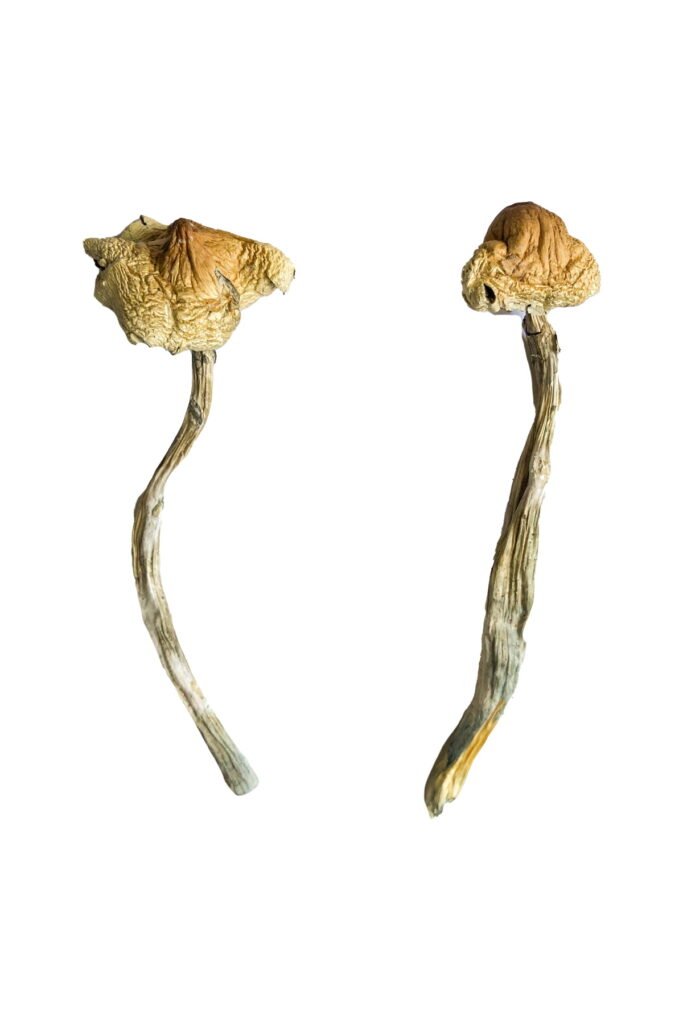
Overview of Huautla Magic Mushrooms
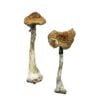
Huautla Magic Mushrooms (Psilocybe Cubensis, Huautla) hold a significant place in the mushroom world because Huautla de Jimenez, a small village in Oxaca state, Mexico is where Gordon R. Wasson was the first westerner to try Psilocybe mushrooms with Maria Sabina in a traditional indigenous ceremony.
Huautla de Jiménez in Oaxaca, Mexico, is the legendary mountain town known as the birthplace of modern Western awareness of sacred psilocybin mushrooms.
History and María Sabina
- The Sacred Tradition: For generations, indigenous Mazatec curanderos (healers or sabios) used psilocybin mushrooms—which they call “saint children” or “God’s flesh”—in nocturnal healing rituals known as veladas. [1, 2, 3]
- Global Discovery: In 1955, American banker and amateur mycologist R. Gordon Wasson traveled to Huautla and participated in a ritual with the renowned Mazatec sabia María Sabina, becoming one of the first Westerners to document the experience. [1, 2, 3]
- The Counterculture Influx: Wasson’s 1957 LIFE magazine article drew an influx of writers, artists, and musicians (including figures like John Lennon and Bob Dylan) to Huautla, turning the remote village into a hub for psychedelic tourism.
Cultural and Modern Impact
- Local Friction: The surge in unregulated tourism disrupted the community and strained local traditions, leading to tension and hardship for María Sabina later in life. [1, 2]
- Symbol of Identity: Today, the mushroom remains a deep cultural icon of local pride for the Mazatec people, even though traditional use is kept private and distinct from commercialized tourism. [1, 2]
- Visiting Today: Located about 5 hours from Oaxaca City, Huautla de Jiménez features landmarks like María Sabina’s former home (now a small museum) and the sacred Mountain of Adoration. Travelers interested in the region’s history typically find that authentic, traditional ceremonies are not openly offered to casual tourists. [1, 2, 3, 4, 5]
People also ask

Reviews
There are no reviews yet.