
Overview on Pure MDMA
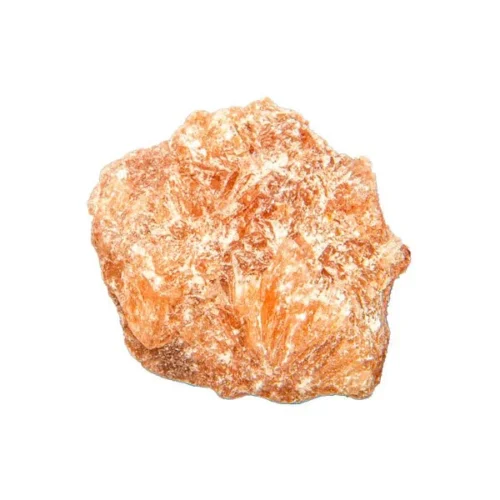
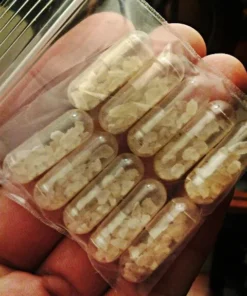
- Crystals and Powder: Pure MDMA naturally forms a crystalline structure. However, street-level powdered MDMA varies wildly in composition, ranging from relatively pure crystals to crushed tablets diluted to 30–40% purity. [1, 2]
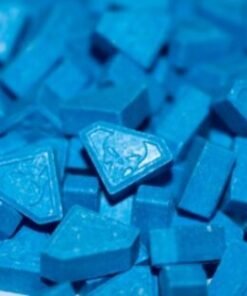
- Ecstasy Tablets: When marketed as “Ecstasy,” the drug is pressed into colored, branded pills. These forms have significantly lower chemical purity due to the mandatory addition of bulking and binding agents (such as lactose or micro-crystalline cellulose) required to hold the pill together. [1, 2, 3, 4]
- Adulteration: Substances sold as pure MDMA or Ecstasy are frequently “cut” or completely substituted with cheaper, dangerous alternatives like methamphetamine, ketamine, caffeine, PMA, or synthetic cathinones (“bath salts”). [1, 2]
- Clinical vs. Street Safety: Clinical trials evaluating MDMA for therapeutic uses (such as PTSD treatment) enforce strict product safety through standardized pharmaceutical manufacturing practices, precise laboratory dosing, and controlled environments. In contrast, street-manufactured MDMA carries unpredictable dosing levels, where individual pills can range from a few milligrams to toxic doses exceeding 200–300 mg of active ingredient. [1, 2, 3, 4]
| Category | Severe Acute Risks | Common Negative Side Effects |
|---|---|---|
| Physical | Severe hyperthermia (dangerously high body temperature), dehydration, acute rhabdomyolysis (muscle breakdown), hyponatremia (water intoxication), and cardiovascular or kidney failure. | Teeth clenching (bruxism), elevated heart rate, high blood pressure, and blurred vision. |
| Psychological | Severe anxiety, panic attacks, and temporary psychosis or hallucinations at high doses. | Post-use depletion of serotonin, leading to mid-week depression, chronic fatigue, sleep disturbances, and memory deficits. |
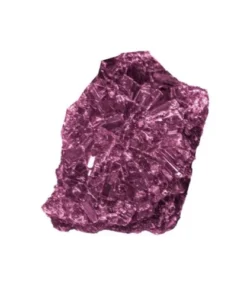
Pure MDMA (3,4-methylenedioxymethamphetamine) is a synthetic psychoactive drug that chemically functions as both a central nervous system stimulant and a hallucinogen. In its pure chemical state, MDMA hydrochloride is a water-soluble, translucent, white, or off-white crystalline powder or solid crystal. [1, 2, 3]
- Ecstasy Tablets: When marketed as “Ecstasy,” the drug is pressed into colored, branded pills. These forms have significantly lower chemical purity due to the mandatory addition of bulking and binding agents (such as lactose or micro-crystalline cellulose) required to hold the pill together. [1, 2, 3, 4]
- Adulteration: Substances sold as pure MDMA or Ecstasy are frequently “cut” or completely substituted with cheaper, dangerous alternatives like methamphetamine, ketamine, caffeine, PMA, or synthetic cathinones (“bath salts”). [1, 2]
- Clinical vs. Street Safety: Clinical trials evaluating MDMA for therapeutic uses (such as PTSD treatment) enforce strict product safety through standardized pharmaceutical manufacturing practices, precise laboratory dosing, and controlled environments. In contrast, street-manufactured MDMA carries unpredictable dosing levels, where individual pills can range from a few milligrams to toxic doses exceeding 200–300 mg of active ingredient. [1, 2, 3, 4]
| Category | Severe Acute Risks | Common Negative Side Effects |
|---|---|---|
| Physical | Severe hyperthermia (dangerously high body temperature), dehydration, acute rhabdomyolysis (muscle breakdown), hyponatremia (water intoxication), and cardiovascular or kidney failure. | Teeth clenching (bruxism), elevated heart rate, high blood pressure, and blurred vision. |
| Psychological | Severe anxiety, panic attacks, and temporary psychosis or hallucinations at high doses. | Post-use depletion of serotonin, leading to mid-week depression, chronic fatigue, sleep disturbances, and memory deficits.
|
Pure MDMA (3,4-methylenedioxymethamphetamine) is a synthetic psychoactive drug that chemically functions as both a central nervous system stimulant and a hallucinogen. In its pure chemical state, MDMA hydrochloride is a water-soluble, translucent, white, or off-white crystalline powder or solid crystal. [1, 2, 3]
- Crystals and Powder: Pure MDMA naturally forms a crystalline structure. However, street-level powdered MDMA varies wildly in composition, ranging from relatively pure crystals to crushed tablets diluted to 30–40% purity. [1, 2]
- Ecstasy Tablets: When marketed as “Ecstasy,” the drug is pressed into colored, branded pills. These forms have significantly lower chemical purity due to the mandatory addition of bulking and binding agents (such as lactose or micro-crystalline cellulose) required to hold the pill together. [1, 2, 3, 4]
- Adulteration: Substances sold as pure MDMA or Ecstasy are frequently “cut” or completely substituted with cheaper, dangerous alternatives like methamphetamine, ketamine, caffeine, PMA, or synthetic cathinones (“bath salts”). [1, 2]
- Clinical vs. Street Safety: Clinical trials evaluating MDMA for therapeutic uses (such as PTSD treatment) enforce strict product safety through standardized pharmaceutical manufacturing practices, precise laboratory dosing, and controlled environments. In contrast, street-manufactured MDMA carries unpredictable dosing levels, where individual pills can range from a few milligrams to toxic doses exceeding 200–300 mg of active ingredient. [1, 2, 3, 4]
| Category | Severe Acute Risks | Common Negative Side Effects |
|---|---|---|
| Physical | Severe hyperthermia (dangerously high body temperature), dehydration, acute rhabdomyolysis (muscle breakdown), hyponatremia (water intoxication), and cardiovascular or kidney failure. | Teeth clenching (bruxism), elevated heart rate, high blood pressure, and blurred vision. |
| Psychological | Severe anxiety, panic attacks, and temporary psychosis or hallucinations at high doses. | Post-use depletion of serotonin, leading to mid-week depression, chronic fatigue, sleep disturbances, and memory deficits. |
Buy Pure MDMA
- In the US: Contact the Substance Abuse and Mental Health Services Administration (SAMHSA) National Helpline at 1-800-662-4357.
- In Canada: Visit Canada.ca Health Support or call 1-866-585-0445 for free, confidential support. [1]
- In the UK: Contact the FRANK helpline at 0300 123 6600 or visit Talk to FRANK.
Reviews
There are no reviews yet.