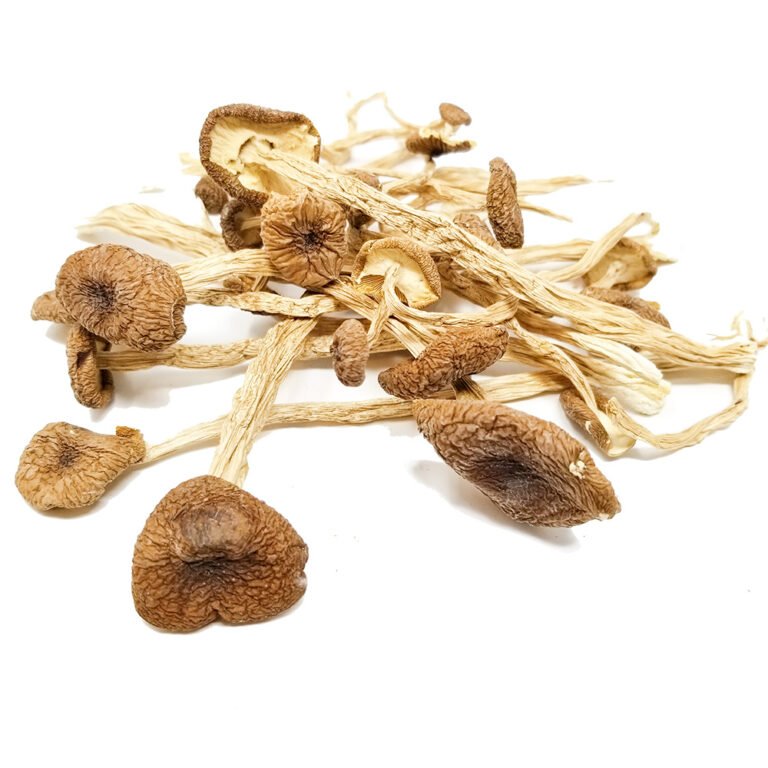
Psilocybe Mexicana Mushrooms Psilocybe mexicana is a psychoactive mushroom species native to Mexico and Central America, historically known to the Aztecs as teonanácatl. It is historically significant as the species from which Swiss chemist Dr. Albert Hofmann first isolated psilocybin and psilocin in 1958.
Psilocybe mexicana is a species of psychedelic mushroom belonging to the family Hymenogastraceae. [1, 2]
Key Characteristics & History
- Psychoactive Compounds: It is famous for being the species from which Swiss chemist Albert Hofmann first isolated and named the active psychedelic compounds psilocybin and psilocin in 1958. [1, 2]
- Indigenous Use: Native to North and Central America, these mushrooms have been used for over 2,000 years in ritual and divinatory practices by indigenous peoples, including the Aztecs who called them teonanácatl (meaning “divine mushroom” or “flesh of the gods”). [1, 2]
- Scientific Classification: The species was formally described and categorized by French botanist Roger Heim in 1957 (with early descriptions following collections by R. Gordon Wasson). [1, 2, 3]
- Growth & Structure: Like other members of the genus Psilocybe, it produces psilocybin-containing fruiting bodies and is also known to form underground sclerotia (often referred to in cultivation circles as “truffles” or “magic truffles”).
If you’d like, I can share more details on:
- The history of its discovery by Western science
- How psilocybin affects the brain and body
- Its legal status in various regions
Frequently Asked Questions on Psilocybe Mexicana Mushrooms
1. What is Psilocybe mexicana?
Psilocybe mexicana is a species of psychedelic mushroom in the family Hymenogastraceae. It features a small, conical or umbonate cap, a bare stipe, and produces purple-brown spores. [1]
2. What is its historical and cultural background?
Indigenous peoples in Mexico and Central America have used P. mexicana in spiritual and healing rituals for over 2,000 years. The Aztecs called it teonanácatl, meaning “god’s flesh” or “sacred mushroom”. It was scientifically classified by French botanist Roger Heim in 1957. [1]
3. How were psilocybin and psilocin discovered from it?
Dr. Albert Hofmann—working at Sandoz laboratories using P. mexicana specimens—extracted and identified the active compounds psilocybin and psilocin for the first time. [1]
4. What are P. mexicana truffles (sclerotia)?
In addition to producing above-ground mushrooms, P. mexicana can form underground compact masses of hardened mycelium called sclerotia (commonly known as “magic truffles”). These sclerotia also contain psilocybin and psilocin, though generally in lower concentrations than the actual fruitbodies. [1, 2]
5. Are they legal?
The legal status of Psilocybe mexicana and its sclerotia varies widely by country and local jurisdiction. While fresh mushrooms or sclerotia have historically occupied distinct legal grey areas or exemptions in places like the Netherlands (via Magic Truffle Regulations), possession, cultivation, and distribution of psilocybin-containing fungi remain strictly regulated or illegal under federal laws in most parts of the world. [1]
What’s the safest psychedelic?
From a physiological standpoint, psilocybin (magic mushrooms) and LSD are widely considered the safest classical psychedelics due to their extremely low physical toxicity and lack of addictive potential.
Numerous clinical studies, including those often cited by organizations like the Multidisciplinary Association for Psychedelic Studies (MAPS), rank psilocybin as having the lowest risk of personal and social harm among all recreational substances.
🛡️ Physical Safety Breakdown
The safety of classical psychedelics (psilocybin, LSD, and DMT) is generally evaluated across three categories:
- Lethal Toxicity: Psilocybin and LSD have an exceptionally high therapeutic index. According to toxicity data compiled on Wikipedia’s Psilocybin page, there is no well-established fatal overdose threshold for humans. For a 60 kg (130 lb) adult to approach a lethal dose based on animal data, they would need to consume roughly 3.7 pounds of dried Psilocybe cubensis mushrooms at once.
Wikipedia
- Dependence Risk: Classical psychedelics are not physically addictive. They do not trigger the brain’s dopamine reward pathway in a way that causes compulsive use, and the body builds an immediate tolerance, making consecutive daily use ineffective.
- Organ Harm: Unlike alcohol or tobacco, pure psilocybin and LSD do not cause damage to organs like the liver, kidneys, or brain.
⚠️ Critical Psychological and Environmental Risks
While physically safe, “safety” with psychedelics depends heavily on psychological preparation and environment (“set and setting”). They carry notable psychological risks:
- Behavioral Risks: The primary danger of psychedelics is temporary cognitive impairment, which can lead to accidental injury if a user is not in a secure environment.
- Pre-existing Mental Health: Psychedelics can precipitate or worsen latent psychotic disorders, such as schizophrenia or bipolar mania. Individuals with a personal or strong family history of these conditions are strongly advised against using them.
- The “Bad Trip”: High doses can induce severe anxiety, paranoia, or panic. Having a sober, trusted “trip sitter” is the most effective way to mitigate this risk.
🔍 Comparing Common Psychedelics
| Substance | Physical Safety Profile | Primary Risks |
|---|---|---|
| Psilocybin | Highest. Extremely low toxicity; shortest duration of the major macro-doses (4–6 hours). | Psychological distress, confusion, nausea. |
| LSD | Very High. Extremely low toxicity, though doses are measured in micrograms, leaving room for compounding measurement errors. | Long duration (8–12 hours) can cause psychological exhaustion. |
| DMT | High. Rapidly metabolized by the body with low toxicity. | Intense, immediate onset can be profoundly overwhelming; temporarily increases heart rate and blood pressure. |
| Research Chemicals / Novel Phenethylamines (e.g., NBOMe, Bromo-DragonFLY) | Low. Often sold fraudulently as LSD. | These compounds have known, narrow margins of safety and have been linked to fatal overdoses and severe vasoconstriction. |
Disclaimer: Psychedelic substances remain illegal und